Moving Home Around an Immigration Medical in Ajax
A practical moving-week guide to keeping medical documents accessible and important communications reaching the right place.
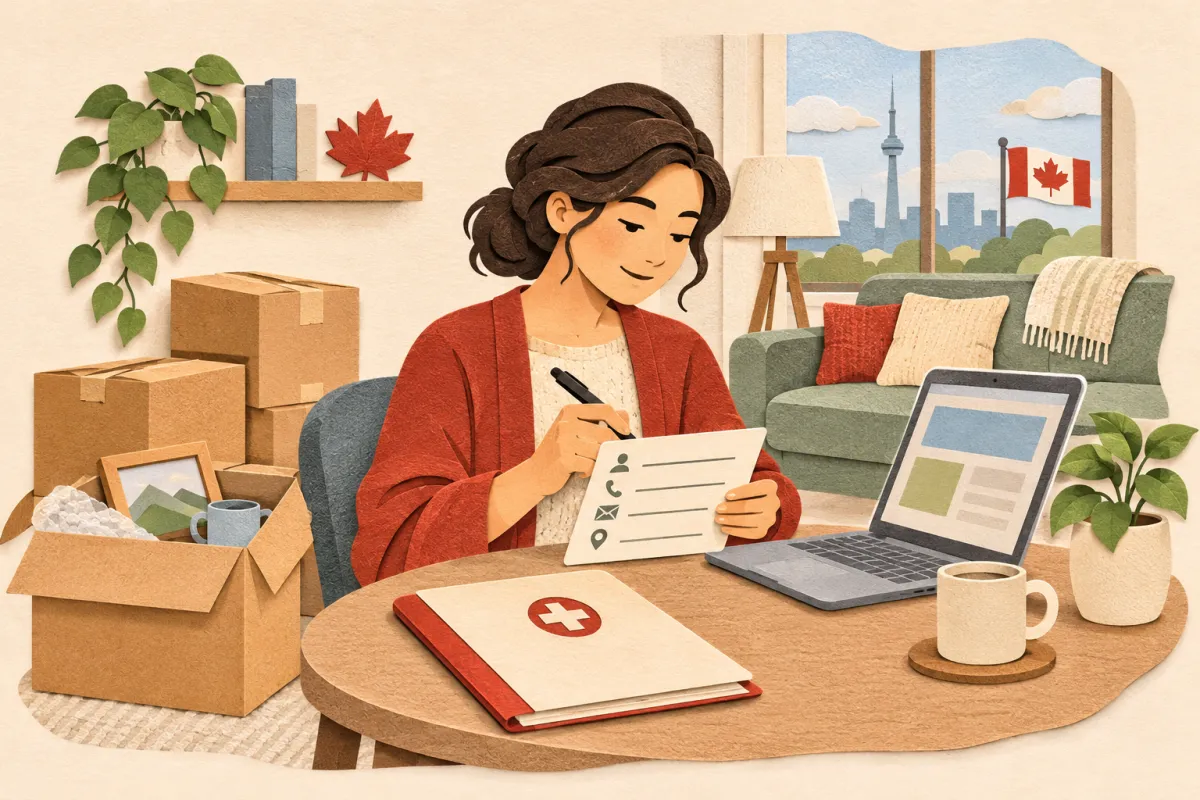
Moving house has a way of hiding the very things you need next. The folder you carefully packed is in an unmarked box, your phone is waiting for a new connection and a letter arrives at the address you left yesterday. When an immigration medical falls during the same period, these ordinary moving problems can complicate otherwise straightforward appointment tasks.
The solution is to create a small continuity plan before the move. Keep essential records with you, decide which contact details will remain dependable and update organisations individually. Your immigration medical in Ajax can then remain connected to you even while your furniture and daily routines are in transit.
A move does not mean you should assume a new examination is required. Start with your actual instructions and the status of any existing appointment or medical file. The practical issue is usually how to keep the process organised across the change of address.
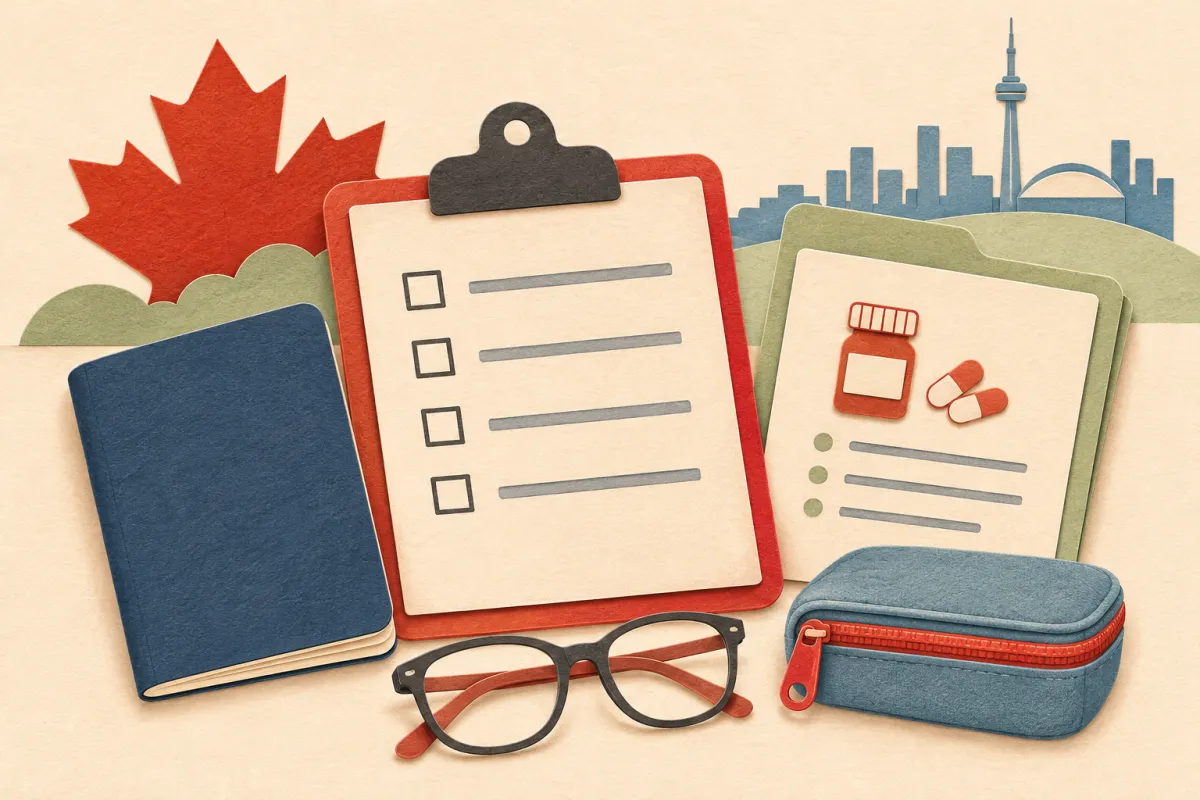
Keep a folder out of the moving system
Choose a document folder that travels with you rather than with the moving truck or storage boxes. Include identification, your current medical instructions, appointment details and any examination information sheet you already have. Add the relevant medical reports and medication information needed for the visit.
Tell anyone helping you pack that this folder is staying with you. A well-intentioned relative may put it in a sensible-looking box without realising you need it tomorrow. Give the folder a clear home in a bag you control and return it there after each use.
Separate essential originals from bulky historical paperwork. You may need access to both, but they do not have to travel in the same way. A contents note identifying where additional records are stored can save you from carrying a heavy archive to the appointment.
Secure digital copies can provide a useful backup, provided you can actually access them during the move. Test your account login and download necessary files before internet service is disconnected. A scan stored on a desktop computer in a moving van is not an accessible backup.
The clinic’s exam preparation guidance can help you decide what belongs in the active folder. If an item is already packed and difficult to retrieve, ask whether it is needed rather than unpacking every medical document on the assumption that more paper must be better.
Separate the records that need updating
Changing your address with one organisation rarely updates all the others. Treat the clinic, IRCC, your regular healthcare providers and any other relevant services as separate contacts. Make a short list and mark each update when it has actually been sent or confirmed.
IRCC provides application-specific instructions for changing an address. Its guidance explains that current contact information matters for an active application. Follow the route that matches your application rather than assuming a general postal change will update the immigration record.
For the clinic, ask how to provide the new address and whether other contact details should be confirmed at the same time. Include the effective date if you are notifying the office before the move. “I am moving soon” is less useful than a clear date and the correct destination for future communication.
Check each adult’s and child’s records where relevant. Updating the person who made the appointment may not update every family member’s separate file. Ask how the clinic handles family details instead of assuming one message covers everyone.
A representative or relative helping with the application should know about the change too, within the role you have agreed. However, telling that person is not the same as confirming that the required official update has been made.
Decide which contact method will survive moving week
A stable email address can be helpful when telephone service and physical addresses are changing. Check that it is one you monitor and can access on your phone. Make sure account verification does not depend on a landline or number you are about to cancel.
If you will change mobile numbers, arrange the handover carefully. Ask the clinic to use the correct number from the appropriate date and keep a record of the update. Where practical, avoid leaving a period in which neither the old nor the new number can receive messages.
If you are staying temporarily with friends or in short-term accommodation, explain which address is current and how you can reliably receive communication. Do not guess about how a form defines residential and mailing addresses; ask the organisation responsible when the distinction matters.
You can also create a simple communication routine during the move. Check important messages at a consistent time, particularly if you expect an instruction or report request. The purpose is to stay reachable while unpacking, not to spend every evening refreshing an application screen.
If a family member monitors messages for you, agree how quickly they should pass them on and what they are authorised to handle. A message left in someone else’s inbox can be just as inaccessible as a letter sent to an old house.
Recalculate the appointment journey from the right home
Before moving, you may have planned the clinic trip from your old address. Check where you will actually sleep the night before the appointment and plan from there. A saved route can quietly remain attached to a place you no longer live.
Save the full clinic destination: Suite 403, 300 Rossland Road East, Ajax. If a driver is helping, send both the current pickup address and the clinic address in one message. Moving-week directions such as “the new place” are easy to misunderstand.
Consider the belongings you will have with you. You may not want to bring several suitcases, a box of kitchen items or all the house keys to a medical appointment simply because the visit sits between two moving tasks. Keep the day as light as your circumstances allow.
If the appointment and the move overlap directly, decide which responsibilities another person can manage. A fixed key handover or a delivery window may be difficult to combine with a medical visit whose finish cannot be guaranteed. It is useful to identify that conflict before either commitment begins.
If you need to change the appointment, contact the clinic promptly and review any immigration instruction deadline. Rearranging a visit does not automatically change a deadline in your application, so keep both dates in view.
Make outstanding medical tasks visible
Write down anything still needed for the examination before the move begins. The list might include obtaining a report, attending a requested appointment or checking that a document has been received. Each item should name the next action rather than simply say “medical follow-up.”
A useful entry includes the organisation, the requested item, the date you contacted them and the next time you expect to hear something. This keeps a request from disappearing among utility appointments and delivery confirmations. It also helps you explain the situation if you need to enquire later.
If a specialist office is sending a report, confirm the intended recipient and contact method. A move may affect where a copy for you should go, but it does not necessarily change the destination of the report requested by the panel clinic. Keep those two deliveries distinct.
For Ontario records, the College of Physicians and Surgeons of Ontario’s medical records guidance discusses secure transfer and related considerations. Ask the holding office about its process rather than forwarding sensitive information through an improvised channel.
Do not assume that moving farther away means you should start over with a different panel physician. Ask the original clinic what is outstanding and how a change in location affects the appropriate next step. That conversation can prevent duplicate effort and confused records.
If the new home is outside Ajax
A move to another town or province can change how easy it is to return for an appointment. Tell the clinic about the practical distance and your move date. If a further attendance requirement arises, ask how it should be handled rather than choosing a substitute service on your own.
Keep the original examination identifiers and contact details accessible. A new healthcare provider may need to understand which clinic performed the examination and what has already been requested. Clear records are particularly useful when several offices are involved.
Your ordinary healthcare arrangements may also need attention after moving. Finding ongoing care, transferring treatment records and completing an immigration medical are related only in some respects. Do not assume that the immigration appointment automatically establishes a new family doctor or transfers every medical file.
If you have been separately assigned public health follow-up, contact the responsible service about the move and follow its instructions. A change of area may affect which team coordinates that follow-up. Avoid treating it as merely a correction to the panel clinic’s address book.
Give yourself a moment to review the practical plan once you arrive. You may discover that the new phone service, transport options or access to printing differs from what you expected. Update the plan based on the situation you actually have.
Check the first week after the move
Once the most urgent unpacking is done, review the contact updates you made. Confirm that you have not left an important organisation on a list marked “to do.” Check old communication channels where you still have access, especially if a change has not yet taken effect.
Open the medical folder and compare it with your outstanding-task note. Documents collected during moving week can easily end up in a coat pocket or a temporary bag. Returning them to one place now is easier than reconstructing the timeline weeks later.
If the clinic has contacted you, respond to the actual request and identify the existing appointment clearly. If you need clarification, contact One Stop Immigration Medical using its published details. A concise question about a named document or next step is easier to resolve than a general statement that everything changed when you moved.
Keep the moving checklist until the important updates are complete, then store the relevant confirmations with your records. The goal is continuity: the right people can reach you, your documents remain accessible and the medical process can proceed while your new home gradually becomes familiar.
Ready to plan your visit?
Our Ajax team can help with appointment details, preparation and questions about your visit.