
How to Prepare for Your Immigration Medical in Ajax
Organise the documents, health information and everyday details that make your appointment easier, from the booking call to your final check before leaving home.
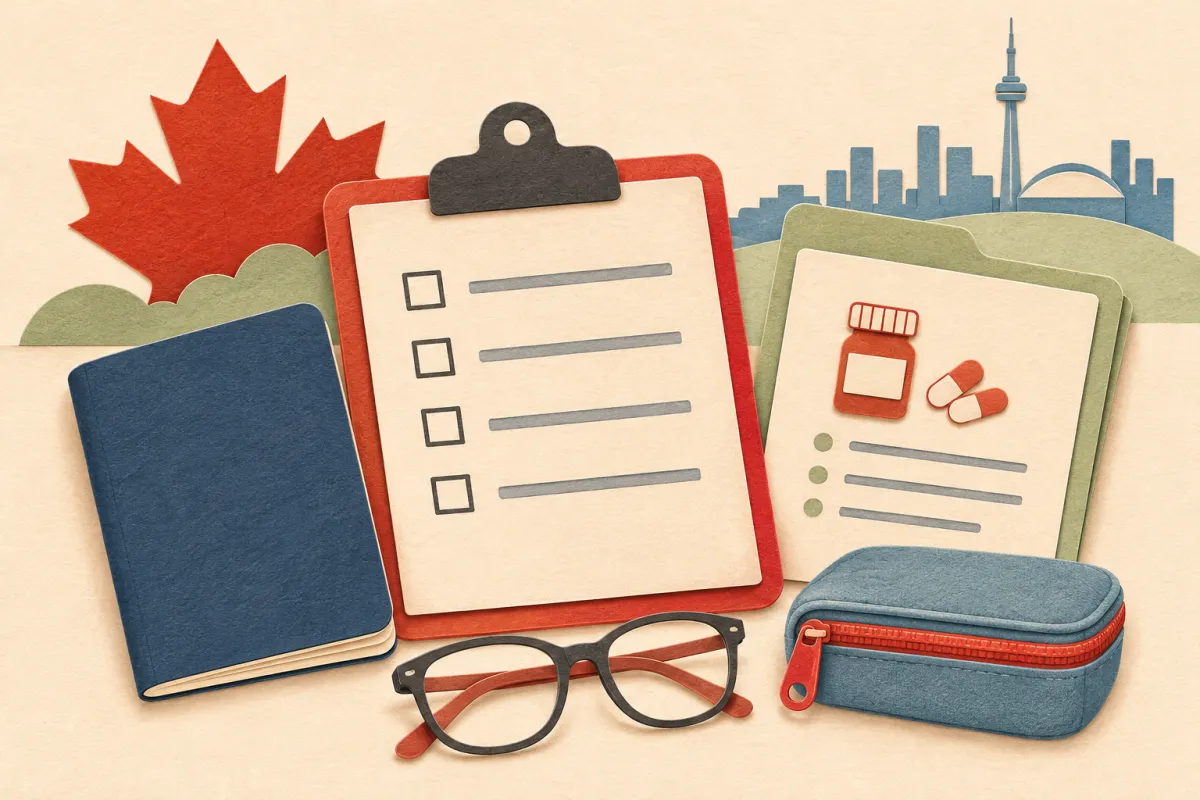
The evening before an immigration medical appointment is a poor time to discover that your paperwork is in three different places. Perhaps your passport is with your application documents, your medication information is on your phone and the medical request is in an email that a family member received. None of those problems is unusual, but each is easier to solve before you are getting ready to leave.
Preparing for your immigration medical in Ajax is mainly an exercise in organisation. You need to know what appointment you have booked, which documents apply to you and how the visit fits into your day. This article turns that preparation into manageable tasks, with room for the practical realities of work, children, language needs and an unfamiliar medical setting.
Give your appointment its own place in your paperwork
Start a small folder specifically for the medical appointment. A large immigration binder can be useful at home, but it may take time to find one medical instruction letter among dozens of application records. Put the documents you expect to show at the front, and keep unrelated paperwork behind them or separately.
Write a short cover note for yourself with the date, arrival time, clinic address and the names of everyone booked. One Stop Immigration Medical is at Suite 403, 300 Rossland Road East, Ajax. The contact page provides directions and current contact details. Include the suite number in your calendar entry so that it is available when you arrive at the building.
For a family, use a separate envelope or clearly labelled section for each person. Do not rely on memory to distinguish two medical letters that look almost identical. Check the names and dates of birth while you are still at home, where you have time to resolve a missing page or an unexpected difference.
Confirm that your booking matches the instructions
Before collecting extra documents or paying for unrelated tests, review what you have actually been asked to do. Immigration medical instructions depend on the application, and a story about a friend’s appointment may not describe the process you need. Keep the original IRCC message available when speaking with the clinic so staff can understand the appointment request.
If you are applying to visit, work or study in Canada, whether a medical exam is required can depend on factors including your planned work, length of stay and residence or travel history. Use IRCC’s guidance for visitors, students and workers to check the applicable instructions rather than assuming every temporary resident needs the same exam.
Once the booking is confirmed, note any specific instruction the clinic gives you. If someone else booked on your behalf, ask them to forward the complete confirmation. It is better to have the actual message than a second-hand summary such as “bring your documents,” which can leave out the details you need.
Check identification early
Open the document you intend to use and check that it is available for appointment day. If a passport has been submitted elsewhere, a name has changed or the document is damaged, contact the clinic before the visit and explain the situation. Do not wait until check-in to ask whether an alternative will work.
IRCC recommends a passport and lists other acceptable identification, including certain national identity documents and refugee documentation. Bring the relevant medical form if you were issued one, together with your glasses or contact lenses, medication information and useful medical reports. The official medical exam document checklist explains the requirements.
Keep the same identification accessible throughout the appointment and any arranged testing. A practical approach is to return it to the same pocket of the folder after each use. That small habit is especially useful if you are also looking after a child’s papers or managing several appointment documents at once.
Make a medication list that someone else can understand
The medication list is one area where a few minutes of preparation can save an awkward conversation. Write the medication name and dose as they appear on the label, and explain how often you actually take it. If you use an inhaler, injection, cream or medication only when needed, include it rather than limiting the list to daily tablets.
Do not guess at a name because it sounds familiar. A labelled package, a clear photograph of the label or an up-to-date pharmacy list can help you check the spelling. If an item has recently been stopped or changed, mark that clearly so an old prescription is not confused with something you currently take.
For a family member whose medicines you help manage, confirm the list with them before the appointment when possible. The aim is a current, understandable record, not a polished medical summary. Our exam preparation page includes medication information among the items to bring. If you have a personal question about taking a medicine on appointment day, ask the clinical team rather than changing it to prepare for the exam.
Choose relevant medical records without creating an archive
You may have years of documents from different doctors, hospitals and countries. Start by identifying the records that explain an existing condition or an important previous treatment. A recent specialist summary may be easier to review than many pages of appointment reminders and payment receipts.
Arrange the records in a sensible order and keep complete pages together. If you have a report on your phone, check that it opens without relying on a forgotten password or an internet connection. Ask the clinic how it prefers to receive records, particularly if a document is long or contains sensitive information.
If you do not have a report, make a note of the information you can reliably remember, including approximate dates and the name of the treating facility. Tell the physician when a date is approximate. Do not delay discussing a health issue because the supporting paperwork is incomplete, and do not rewrite a report to make it easier to understand. The physician can tell you whether additional information is needed.
Arrange language support and other accommodations
Being comfortable with everyday English does not always make medical vocabulary easy. If you expect to need language assistance, tell the clinic during booking and ask what arrangement is appropriate. Our preparation page advises arranging an adult interpreter when help is needed in a language the team does not offer.
Discuss the practical details with that person in advance. They need the appointment time, location and a realistic idea of how much of the day to keep available. It also helps to explain that you may need to discuss private health information, so everyone understands the role before arriving.
Communication needs can also involve hearing, reading, anxiety or difficulty retaining spoken instructions. Describe the support that works for you: written steps, a slower explanation or time to check your understanding. If mobility or sensory needs affect your visit, contact the clinic with specific questions about the space and process. An early conversation gives you more useful information than arriving with an assumption about what assistance will be available.
Keep food, clothing and comfort practical
The clinic’s day-of-appointment guidance advises comfortable clothing, a light meal and water, with no fasting for the routine visit. If you have been given separate instructions for a particular test or a personal medical reason to follow a different routine, confirm those instructions with the relevant clinician. Avoid inventing extra preparation rules based on an unrelated blood test you had previously.
Choose clothing that is easy to move in and manage during an examination. Bring the glasses or contact lenses you normally use, along with anything you ordinarily need to communicate or move comfortably. Think about your day as a whole: an appointment followed by work, a school pickup or a long journey home may call for a different bag than a short trip on its own.
Tell staff if a procedure makes you anxious or if you have had difficulty during similar appointments. That conversation is more useful before the procedure begins. You can write the concern on your personal reminder note if you think you may forget to mention it once you are in the room.
Make a workable plan for children and companions
If children are attending, explain the visit in simple, honest terms that match their age. You can say that the doctor will talk with you and check their health, while avoiding promises about specific tests before the clinic has confirmed the plan. A familiar quiet activity can make waiting easier without requiring a phone connection or a noisy device.
Give each adult a clear task if several people are coming together. One person might manage the folder while another helps a younger child. If an adult is also being examined, consider who will support the child during that part of the visit. Ask the clinic about its arrangements rather than assuming every family member can stay together throughout.
Remember that a companion’s schedule matters too. Confirm whether they can remain available if the visit takes longer than expected. A plan based on everyone having to leave at precisely the same moment can create avoidable pressure, especially when you are coordinating travel, work and school commitments.
Settle the cost questions before appointment day
Review the clinic’s pricing page and ask for the full amount expected for each person. Clarify which services are included and whether anything is payable separately. The age of each family member is useful information to have ready during this conversation.
The website lists cash and debit as accepted payment methods and notes a credit card transaction charge. Confirm the current arrangements when booking so you bring a suitable way to pay. If you believe you have coverage for the appointment, ask which documents the clinic needs to verify it rather than relying on a general insurance card alone.
Put the cost confirmation with your appointment information. This is also a good moment to ask about the clinic’s current policy if you need to change the date. For a more detailed approach to budgeting, read Immigration Medical Costs in Ajax: Planning Your Visit.
Do a final check that takes five minutes
The night before, work through a short check: identification, instructions, medication list, relevant reports, corrective lenses, payment and the clinic address. Make sure the appointment time is the confirmed arrival time, and check whether you have any unanswered question that should be resolved before leaving.
Charge your phone if you will use it for directions or appointment details, but keep essential documents available in the form the clinic requested. Share the travel plan with anyone accompanying you. In the morning, look for any clinic message about your booking and allow time for the ordinary tasks of getting out of the house.
Finally, leave space in the folder for the documents you receive after the examination. Preparation continues through the end of the visit: ask what to keep, what remains to be done and how to contact the team if a practical question comes up later. IRCC, rather than the clinic, determines the immigration outcome; being well prepared helps you manage your part of the appointment process clearly.
If you are ready to arrange your visit, use the booking page. For a question about documents or access needs, contact One Stop Immigration Medical with the appointment details, and keep private medical information out of a general web message until the team explains how to share it securely.
Sources and useful links
Ready to plan your visit?
Our Ajax team can help with appointment details, preparation and questions about your visit.